School of Medicine School of Medicine

PRIME-HEq Student Stories

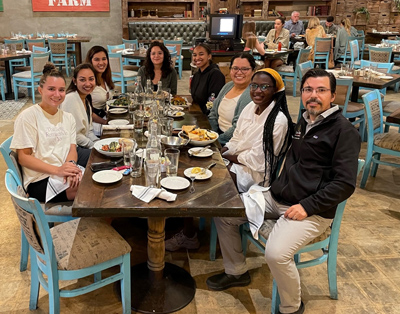
group of student sitting at a table at a restaurant smiling towards the cameraUC San Diego PRIME-HEq is an innovative training program focused on meeting the needs of California's underserved populations. Students learn to combine specialized coursework, structured clinical experiences, advanced independent study, and mentoring to prepare to work within underserved communities. Students are focused on reducing health care inequities and are committed to becoming physician leaders, researchers, and innovative changemakers.


Each student has a personal story as to why they chose PRIME-HEq. Read about their why and hopes for the future. 

MS1s

  • profile placeholder image

    Rose Sakura Anderson

    Pronouns: she/her/hers
    Hometown: San Diego, CA

    "Growing up in a multicultural immigrant family, my early exposure to health care systems in the UK, US, and Japan shaped an early curiosity about how different societies view and deliver health. Observing how cultural values shaped global responses to the COVID-19 pandemic alongside local disparities deepened my understanding of social determinants whilst reinforcing my belief that health is a fundamental human right.

    My commitment to health equity expanded through community-driven work and my undergraduate public health coursework. Direct community action, from organizing care package drives for unhoused communities, to cooking meals for individuals managing chronic illnesses, and partnering with a grassroots NGO in Uganda on community health initiatives, underscored how healthy communities rely on social intervention. Connecting with patients in clinical settings, I saw how systemic barriers like insurance gaps and lifestyle factors compound health disparities, causing preventable conditions to become critical. Furthermore, roles in finance and management, alongside my undergraduate thesis, reinforced that long-term health equity requires more than clinical care; it demands policy reform and sustainable, upstream interventions that address disease before it starts.

    As a future physician, I aim to advocate for patients, empower communities, and develop policies that enable care that is both responsively reactive in the treatment and intentionally proactive in the prevention of disease. PRIME-HEq offers a unique environment in which I can bridge population-level advocacy with patient care in San Diego. The program’s dedicated Master’s year, dynamic local engagement, and collaborative cohort will allow me to strengthen and develop skills to build culturally sensitive, community-based interventions alongside a family of future health equity leaders."

  • profile placeholder image

    Valerie Cruz-Castro

    Pronouns: she/her/hers
    Hometown: Coachella, CA

    "I grew up in Coachella, California, a community deeply connected to agriculture and shaped by generations of immigrant families. As the daughter of Mexican immigrants, I saw how language, trust, and lack of access shaped my family’s experience with health care. I also saw families in my community drive to Mexicali for care simply to find providers who could understand them. I grew familiar with the uncertainty of navigating a health care system that does not always feel designed for you. Helping my family navigate those barriers made me curious about medicine, but it also taught me that caring for a patient means understanding the community and circumstances that surround them.

    These experiences led me to the UC San Diego Student-Run Free Clinic Project during undergrad, where I worked with Spanish-speaking patients from communities much like my own. Working with these patients gave me a deeper understanding of the barriers that shape their health, from housing insecurity and transportation challenges to language and limited access to care. I learned how meaningful it was for patients to have a place where they felt welcomed, understood, and could begin to trust the health care team. I also found inspiration in working alongside others who shared my commitment to caring for our patients.

    I am grateful to have chosen PRIME-HEq because it provides me with the resources and training to continue serving communities that are too often overlooked by the health care system. My experiences have reaffirmed my commitment to becoming a physician who listens intently to patients’ experiences, understands the barriers they face, and earns their trust. Through PRIME, I hope to pursue an master's degree in pubic health to better understand the systemic barriers and inequities that shape the health of immigrant communities and develop the skills to advocate for meaningful change. I want to empower patients in their health journeys while also working to address the circumstances that make those journeys more difficult."

  • profile placeholder image

    Karina Garcia

    Pronouns: she/her
    Hometown: San Diego, CA

    "Growing up in City Heights, I learned about the challenges my community faced at an early age. I saw how language, finances, transportation, and access to resources could determine whether someone received care. My family’s and community’s experiences navigating health care deepened my understanding of the barriers patients often face.

    At UCLA, I explored these inequities through my studies in human biology & society and, more importantly, through service. Volunteering at free clinics along the U.S.-Mexico border and engaging directly with communities in Los Angeles and San Diego allowed me to listen to patients whose ability to access care was often shaped by circumstances outside of the clinic. These experiences taught me that caring for patients means not only treating their conditions, but also understanding the factors that shape their health and helping them navigate these challenges. It means walking alongside patients toward care that is realistic and sustainable.

    I chose UC San Diego School of Medicine and PRIME-HEq because it would be especially meaningful to pursue my medical education in the city I call home. I look forward to giving back to San Diego by contributing to efforts that expand access to care and returning to events like DOC-4-A-DAY, which I attended as a high school student. I hope to inspire students from communities like mine to envision themselves in medicine. I am excited to be part of a cohort with a strong commitment to advancing health equity and to learn from peers and mentors who share this commitment. PRIME-HEq’s mentorship, training, and opportunities for additional graduate education and research will prepare me to become a stronger advocate and physician leader who cares for patients while also working to improve the systems that shape their health."

  • profile placeholder image

    Veronica Isabel Garcia

    Pronouns: she/her
    Hometown: Brawley, CA

    "I was born and raised in Brawley, California, a small, rural border town two hours east of San Diego. From a young age, it was apparent that my family, friends, and neighbors struggled to find health care tailored to their needs. Our secluded location, infrastructure limitations, and lack of funding restricted the preventative care, specialty care, and health education available to us, ultimately affecting our community's health outcomes. This concern, paired with my love for physiology, sparked my desire to become a physician. After moving to Los Angeles to attend UCLA, I began working with the unhoused population in Skid Row, where I discovered health inequities that mirrored those I had seen in my own community. Recognizing the connection between health outcomes and systemic barriers solidified my aspiration to become a physician who provides comprehensive care, support, and resources to patients, regardless of their socioeconomic status, background, or identity. My goals are rooted in providing compassionate, culturally competent care for each patient I meet, embracing the diversity and history of each. The geographical and metaphorical lengths individuals must go for treatment reflect the need for more inclusive, accessible services in underserved communities. Education has always been a privilege and a vital asset that has served as my pathway to improving the quality of life in communities I hold dear. My desire to combat the health and educational disparities faced by marginalized groups made PRIME-Heq the obvious choice for my medical education. Learning alongside like-minded peers, being supported by physicians who paved the way for those underrepresented in medicine, and joining an academic community rich in diversity and lived experience will equip me with the skills needed to bridge these gaps and make a difference in the communities that shaped who I am today."

  • profile placeholder image

    Ho Yin (Kenny) Lai

    Pronouns: he/him/his
    Hometown: Hong Kong/ Martinez, CA

    “When I was 10, my father suffered a devastating work injury—an electric saw cut through all the fingers on his left hand. After hours of surgery, an incredible health care team preserved his hand. In retrospect, that surgery not only saved his hand, but also my family’s future; without it, my father might not have been able to continue providing for our family, and I might never have pursued my education in the U.S. This experience was my first encounter with the profound impact medicine can have.

    As an immigrant, adjusting to a new country was not easy, yet I was fortunate to have friends and mentors who helped me build confidence and succeed academically. Their support inspired me to later become an advisor for high school students from underserved communities, where I saw how being in a position of disadvantage can shape education, health, and a person’s sense of agency. Having experienced this myself, I recognize how circumstances beyond our control can shape opportunity, and how meaningful support can change a person’s trajectory.

    My experiences as a nursing assistant during college further solidified my commitment to medicine. Working in nursing homes across different communities, I witnessed vulnerability, grief, and love, while also seeing firsthand how education, health care access, living environment, and socioeconomic factors can shape health outcomes and the choices available to patients.

    These experiences working with and caring for underserved communities have shaped my understanding of medicine and inspired me to join PRIME-HEq. This experience will teach me how to better serve communities facing barriers to care and opportunity while developing the skills and perspective to advance health equity. I hope to carry these values beyond medical school and into the communities I ultimately serve."

  • profile placeholder image

    Gabriela Mota

    Pronouns: she/her
    Hometown: Santa Ana, CA

    "My earliest understanding of health care came through my family. As the daughter of Mexican immigrants, I saw through my mom’s battle with cancer how language, cost, and access can shape a family’s experience with health care. Because she spoke only Spanish, my siblings and I often served as her interpreters, including during some of the most difficult moments of her care. These experiences showed me how important it is for patients to feel heard, informed, and understood, and inspired me to become a physician who could support patients and families like my own. Looking beyond my family to my community in Santa Ana, I realized that our experiences were not unique. Many families around us were navigating these same challenges.

    Wanting to better understand how I could serve communities like my own, I sought opportunities throughout college and my gap years to work directly with underserved patients. I volunteered and worked in free clinics across Riverside and Orange counties, predominantly serving Spanish-speaking and immigrant communities. These experiences showed me that improving health requires addressing not only what happens in the exam room, but also the circumstances that determine whether patients can access care in the first place.

    I chose PRIME-HEq because I wanted to be part of a program that would keep the communities I aim to serve at the center of my medical education. Through PRIME’s community-based experiences, research, and master’s opportunities, I hope to better understand how to improve access to care and advocate for meaningful change beyond the clinic. Just as importantly, I am excited to learn alongside classmates who care deeply about this work and who will challenge me to grow into a more thoughtful physician and leader."

  • profile placeholder image

    Sedtavut D. Nilaad

    Pronouns: he/him/his
    Hometown: Riverside, CA

    "I was born and raised in Thailand before moving to the U.S. with my family in sixth grade. I recall the drastic change between Thailand and the U.S - the food, the culture, the education system. What helped me adjust to the change were the people in my life, my fellow classmates and teachers, who offered assistance and community.

    After high school, I decided to attend community college as it was the most economical decision for my family. There, I learned the impact we have as individuals when I started volunteering in the community and tutoring STEM courses to fellow classmates. I realized I want to serve others, and no other profession dedicates itself to serving others like medicine.

    Later, during the COVID pandemic, I recalled explaining to my mother the medications she received, explaining the mechanisms and reasoning why each medication had a purpose for her treatment in Thai. In that moment, I realized that since moving to the U.S., I had yet to meet a Thai-American physician. This reaffirmed my resolve to become a physician and care for the Thai-American community.

    I joined PRIME-HEq to better understand how I can help drive change and improve our underserved communities. I am honored to join my fellow PRIME peers in learning from our experiences and the cultures we originate from, immersing myself in the PRIME curriculum and community-based approach, and serving as role models for future university and community college students."

  • profile placeholder image

    Ezequiel Ponce

    Pronouns: he/him/his
    Hometown: San Jose, CA

    "I was born in the heart of the Bay Area, a region regarded by many as one of the nation’s hubs for medicine. As I grew older, a painful contradiction became increasingly clear as I noticed how many loved ones and neighbors in the immigrant community I call home struggled to access this care that surrounded us. For many, these systemic barriers unfortunately led to preventable chronic conditions and disparities.

    Driven by what I witnessed back home, I joined Clinica Tepati (a free clinic in Sacramento) in the middle of the COVID-19 pandemic when barriers to health care became drastically severe for our patients. Here, I championed the mission of providing free and accessible care for all, regardless of one’s income or documentation status, as I strove to create and expand services to help our patients access care during a critical time. I wholeheartedly did so as many of our patients shared similar experiences as my family and neighbors back home.

    Through these grassroots efforts, it became clear that being a health care advocate for underserved populations requires more than just medical training. It necessitates a multidisciplinary approach in economic, public policy, and community work in order to truly make lasting change. I proudly joined PRIME-HEq because the program’s purpose directly aligns with my lifelong mission of advancing social justice in health care. Through the faculty mentors, curriculum, and my peers, I am excited to continue developing my skills as a physician-advocate. I hope to use the skills and lessons that I will learn through PRIME-HEq to ensure that neither a zip code nor citizenship status determines one's health outcomes."

  • profile placeholder image

    Alejandra Catalina Quesada-Stoner

    Pronouns: she/they/ella
    Hometown: Puerto Vallarta, México

    "''We are going to visit your grandparents in the United States.'

    At 12, I did not realize those words would change the course of my life. I was born and raised in Mexico and immigrated to the United States with my mother and sister after my parents’ divorce. Growing up with my mom through domestic violence and the challenges of starting over in a new country shaped how I understand health and the role that family and circumstance play in it. I watched my mother cross the U.S.-Mexico border each week to support our family while her own health deteriorated. Seeing her navigate these challenges without the resources or support she needed left me with a lasting question: how could I help families like mine navigate the circumstances that shape their health? That question became the foundation of my path to medicine.

    I carried that question into my work at St. Jude Children’s Research Hospital, where I conducted global health research focused on strengthening pediatric cancer care across Latin America. Working alongside health care teams across countries taught me that meaningful change begins with listening: understanding communities’ realities, building trust, and translating research into medical care that is feasible, sustainable, and responsive to those it serves. These experiences shaped my vision of physician leadership as addressing the systems that influence their ability to receive care.

    I chose PRIME-HEq because it offers the kind of training and community I need to turn my lived experiences into meaningful change. PRIME’s justice-centered mission and commitment to developing physicians who address the social and structural drivers of health align closely with the questions that first drew me to medicine. Its longitudinal, community-engaged approach will allow me to learn alongside the communities I hope to serve while developing the skills to connect clinical care with research, public health, and advocacy. I hope to use this foundation to improve health care delivery, conduct research that informs policy, and build partnerships with immigrant and border communities to make care more accessible."

  • profile placeholder image

    Astrid A. Quirarte

    Pronouns: she/her/ella
    Hometown: Long Beach, CA

    "My motivation to become a physician who gives back to my community stems from the challenges my family and I encountered living in an urban, underserved community in Long Beach. Throughout childhood, I saw the toll that disability, economic hardship, immigration status, linguistic barriers, and coordinating health care took on my family. My experiences have not only deepened my understanding of the impacts that health disparities have on families, but have also strengthened my commitment to become a physician who uses clinical care, research, and advocacy to advance health outcomes for medically underserved communities.

    At UC Berkeley, I spearheaded a mentorship program within the Biology Scholars Program (BSP) that has paired over 100 underrepresented mentees with BSP alumni. As the lead research coordinator for the UCSF Lobular Breast Cancer Research Program, I expanded my research skills in analyzing treatment barriers, identifying those who are underrepresented in the data, and illuminating the many ways that certain treatment methods can exclude marginalized populations. Furthermore, in my role as a patient scribe in the UCSF Patient Support Corps, I led a quality improvement project that expanded our services to meet the linguistic needs of non-English speakers. Together, these experiences cemented my passion for advocacy, mentorship, and leading quality improvement initiatives that support medically underserved communities.

    I chose to pursue my medical training at UC San Diego School of Medicine’s PRIME-HEq program to aid in my mission of becoming a bilingual physician-researcher dedicated to improving health outcomes among the medically underserved communities that I grew up in. I envision using my training in PRIME-HEq as a physician to leverage research for advocacy, build community partnerships, and initiate quality improvement projects that advance equitable care for vulnerable and underserved populations in California."

  • profile placeholder image

    Alma Rincongallardo

    Pronouns: she/her/ella
    Hometown: Chula Vista, CA

    "I was raised along the U.S.-Mexico border in South San Diego as the U.S.-born daughter of undocumented Mexican immigrants. Growing up, I witnessed my family navigate health care in both the United States and Mexico while balancing their immigration status, financial insecurity, and unstable housing. For my extended family in Tijuana working as informal mechanics, free public health care was often limited, so they relied on private care that was difficult to afford. In the United States, my parents’ immigration status made it difficult to seek health care and find stable housing. Moving between garages, motorhomes, and motels, finding shelter often took priority over our health needs.

    As the eldest daughter, I became the one who helped my family communicate and navigate systems on both sides of the border. Through these transborder responsibilities, I became aware of the privileges I held as a bilingual U.S.–Mexican citizen, which allowed me to enter and understand spaces that were not always accessible to my family.

    Over time, I came to understand that health inequity is not simply about whether someone can see a doctor. It is rooted in the political, economic, and historical conditions that determine who has access to care, who is protected by our systems, and who is left behind. I grew up in a fronteriza community where the border was not only a physical boundary, but also a barrier to continuity of care, preventive services, and being seen and counted.

    I want to use the privileges I hold to work alongside communities affected by similar inequities. PRIME-HEq offers me the opportunity to build on the work I have already begun by connecting clinical care with public health, strengthening community partnerships in San Diego, and advocating for systems-level change in health care. Through my PRIME education, I will be equipped to become a physician and advocate who can address the structural barriers that shape health while remaining grounded in and accountable to the communities that shaped me."

  • profile placeholder image

    Brook Vaitohi

    Pronouns: he/him
    Hometown: Payson, UT

    "Before settling in Utah, both of my parents came from medically underserved communities — my mother from a small farm in rural New Mexico and my father from the South Pacific country of Tonga. In frequent visits to both places, I've seen how factors like geography and culture can limit access to health care. Though these disparities may feel distant to some, they are ever-present in the Polynesian community from which I come. Due to language and cultural barriers, I watched both of my Tongan grandparents pass away in the U.S. without receiving the care they deserved.

    Through extensive research and community service amongst Native Hawaiian and Pacific Islander (NHPI) communities in the Western U.S., I’ve seen this pattern play out over and over again. Unfortunately, these stories aren’t just anecdotal but are reflected in modern research. Seeing the people I share heritage with and care most about resign to this stark reality led me to want to change the narrative. This desire is what called me to medicine.

    My greatest aspiration is to be part of a generation of physicians who not only understand and tend to the clinical needs of underserved populations but also work to build health care systems in the U.S. that are more equitable. I hope to help communities like mine believe in health again.

    I chose PRIME-HEq because that hope is central to the program. Through PRIME’s focus on health equity and community service, I hope to develop the skills to pair excellent clinical care with meaningful systems-level change, particularly for NHPI and similar underserved communities."

MS2s

  • Celine Heather-Ann Crooks

    Celine Heather-Ann Crooks

    Pronouns: she/her/hers
    Hometown: Palmdale, CA

    "Growing up as the child of Jamaican immigrants, I often witnessed a deep hesitancy toward health care—rooted in fears of being misunderstood, unheard, or facing the unknown in a new country, compounded by a history of systemic inequities. These experiences initially shaped my view of the medical system. That changed when I met a physician who treated me with compassion, educated me about my condition and supported me as a whole person. For the first time, I experienced what it meant to be truly seen and heard in a health care setting. It showed me that compassionate care should not be rare—but instead universal.

    Additionally, my parents’ work fostering children opened my eyes to the struggles many communities face in accessing equitable, respectful care. This fueled my desire to make a difference. From volunteering at free clinics and working with foster youth organizations to developing and teaching a course on medical racism, my desire to understand and address healthcare disparities has become a driving force in my journey. I was drawn to PRIME-HEq for its emphasis on mentorship, community engagement and the opportunity to turn a passion for equity into meaningful, lasting change. I want to be a physician who not only treats but uplifts patients, helping to build support systems that reach beyond the clinic. Through PRIME-HEq, I hope to learn from and grow among peers and mentors who share this vision, and to develop into a leader ready to amplify unheard voices and drive meaningful change in health care."

  • Franklin Ifeanyi Ekelem

    Franklin Ifeanyi Ekelem

    Pronouns: he/him
    Hometown: Lagos, Nigeria

    "I joined UC San Diego PRIME-HEq because I believe that health care should be a bridge, not a barrier. Growing up in Lagos, Nigeria, I experienced firsthand how limited access to affordable, culturally responsive care can turn treatable conditions into lifelong struggles. These experiences continue to guide my vision for the kind of physician I want to become.

    Through PRIME-HEq, I hope to become a doctor who can serve patients whose voices are often unheard in the health care system, including immigrants, refugees and those facing economic or systemic barriers. I aspire to one day build and maintain patient trust by honoring each person’s story, understanding their cultural background, and working alongside them to find solutions that fit their lives.

    My goal is to one day practice medicine in a way that goes beyond the exam room: to advocate for better access to care, partner with community organizations, and help shape policies that protect the health of the most vulnerable. UC San Diego PRIME-HEq offers the training, mentorship, and community partnerships to make that vision a reality. For me, joining PRIME-HEq is not just about becoming a doctor. It is about being the kind of advocate who understands what it means to face barriers to care, and using that understanding to ensure no one is left behind in their journey to health."

  • Matyas Ibrahim Hanna

    Matyas Ibrahim Hanna

    Pronouns: he/him/his
    Hometown: San Diego, CA

    "I was eleven years old when I immigrated to the United States as a refugee, seeking to escape the ongoing violence in Iraq and the limited access to health care. By age fourteen, after three years in the U.S., my English had improved significantly, allowing me to help my parents navigate their daily lives by translating and serving as their medical advocate. Translating for my dad in Arabic and Chaldean during his doctor visits, I discovered the challenge of interpreting medical terminology and the lack of thorough explanations from physicians. While I used online resources as an alternative, I worried about how patients with limited English proficiency managed their health care experiences. This inspired me to volunteer in various community settings to advocate for others and expand my cultural awareness. Whether it was mentoring K-8 students through refugee tutoring or listening to the stories of our unhoused and senior community members at the Salvation Army, my passion for serving under-resourced populations grew. I quickly realized that my background as an immigrant and my ability to understand others' struggles allowed me to be a valuable resource for my community, specifically the growing Middle Eastern population in San Diego.

    I joined PRIME-HEq because its community-based curriculum will enhance my medical training and allow me to continue advocating for marginalized groups. I hope to draw on my life and training experiences to ensure all patients have the resources to understand their treatment plans and feel empowered to make decisions about their health."

  • Robert Hinojos

    Robert Hinojos

    Pronouns:  he/him/his
    Hometown:  Tulare, CA

    "I grew up in the Central Valley of California, the breadbasket of the state. There is a contradiction that lies bare in the fertile fields: my family and neighbors were the most hardworking people I ever met, yet they experienced some of the worst health outcomes and persistent barriers to care in California

    Living in the United States carries privileges unavailable in many parts of the world, yet these privileges are unevenly distributed according to logics that maintain hierarchies of worth. The unfettered growth of inequality ensures that deprivation persists here as much as abroad, creating distinct zones where some communities are systematically abandoned. These daily observations of how geography, labor, and health intersected in my community led me to join PRIME-HEq.

    I am here to learn from my peers and their own experiences of inequality and resistance, recognizing that those closest to systems of harm often develop the most sophisticated analyses of how such systems might be transformed. Together, we can explore what forms of knowledge and practice might emerge if we centered the experiences of the individuals whose current systems render them peripheral.
    To the best of my ability, I want to fight for a system that rejects extraction or exchange in determining who deserves to live a healthy life. Health care must become a home, a place that guarantees belonging, dignity and unconditional care. My ideal as a physician is to extend care both systematically and individually, recognizing that transformation requires both structural critique and direct service."

  • Carolina Lopez

    Carolina Lopez

    Pronouns: she/her
    Hometown:  Escondido, CA

    "Growing up in Escondido as the daughter of immigrants, I became aware early on of the pronounced differences in opportunity and resources within my community. Experiencing an under-resourced middle school showed me how the environment where people grow up can directly shape health and opportunity.

    As I began my pre-med journey at UC San Diego, I engaged with diverse populations, from the unhoused community in San Diego to patients at free clinics in Tijuana and San Diego. Speaking Spanish and listening to patients’ stories allowed me to connect in meaningful ways, while also recognizing the barriers they faced. These encounters showed me how advocacy, interpretation and empathy can profoundly impact patients who are often overlooked, shaping my vision of practicing medicine with humanism, science, and compassion.

    I chose PRIME-HEq because it offers mentorship, training and opportunities to strengthen my commitment to health equity. I look forward to working with diverse populations in San Diego and along the U.S.-Mexico border, where issues of access, language and culture intersect to shape patient care. The chance to pursue a master’s degree, particularly in public health, will allow me to address disparities at both individual and systemic levels. PRIME-HEq’s community-based approach and cohort model will not only enhance my growth but also prepare me to advocate effectively for the patients and communities I serve."

  • Edith Lopez

    Edith Lopez

    Pronouns: she/her/ella
    Hometown: Cudahy, CA

    "Growing up in my low-income immigrant community of Cudahy, CA, I had to overcome many barriers while pursuing an education my Mexican parents never had the privilege of receiving. Almost three years before my dad lost his life, he was diagnosed with glioblastoma multiforme. My parents only spoke Spanish, and the sole person in the room at this California hospital capable of interpreting his diagnosis was me, a thirteen-year-old child. I remember how horrible it felt telling my dad that he had terminal cancer and how he avoided asking questions out of fear even though I knew that, like me, he didn’t understand what his diagnosis meant. As I got older, I realized how unfair that situation was for my family and many immigrant families in the U.S who are no strangers to this experience due to the cultural and language discordant care they face.

    I chose to pursue my medical education through the UC San Diego School of Medicine PRIME-HEq program, so I could learn to address the health disparities I grew up living with in communities like my own as a future bilingual physician. I believe my firsthand understanding of these social determinants of health uniquely equips me to spearhead action for addressing these social justice issues within health care, bringing firsthand understanding of the barriers patients face outside of the health care setting and how these barriers manifest negatively in their physical and mental well-being. Additionally, a master's degree in public health through PRIME-HEq would allow me to improve health services for marginalized communities, representing the needs of my community through healthcare policy reform."

  • Emily Martinez

    Emily Martinez

    Pronouns:  she/her
    Hometown: Oxnard, CA

    "At 14, my father crossed the United States-Mexico border on foot in search of a better life. Later, my mother, also an immigrant from Mexico, joined him in Oxnard, California, which eventually became my home. With a Hispanic population of more than 75%, I proudly embrace my cultural identity as a Mexican-American. I have preserved my Mexican heritage through my Spanish fluency, Mariachi music, and by honoring Mexican traditions such as Dia De Los Muertos, which were passed down to me. As the second child and eldest daughter, I learned the weight of responsibility from an early age, helping my parents navigate the United States as immigrants, and being exposed to the harsh reality of inaccessible and inequitable health care. At 12 years old, I was given the life-changing opportunity to be a part of Kaiser Permanente’s Hippocrates Circle, an educational program that introduces marginalized students to the field of medicine. Having always longed to make a tangible impact in my community, I became resolute in my dream to become a physician.

    In my journey navigating higher education, my passion for medicine was further reinforced by the burning desire to combat health inequity, an issue I and many others in my community connect with deeply. My studies in human biology and society as an undergraduate student at UCLA have deepened my understanding of health inequities, including medical racism, unconscious bias and access barriers. My experiences as a first-generation, low-income, Latina woman have provided me with a unique perspective that is valuable in medicine and allows me to push for diversity and representation. At the Spine and Orthopedic Center in Oxnard, I have learned the importance of patient advocacy. As the only Spanish-speaking scribe, I once connected with a patient who, in confidence, revealed to me that their injury was a result of a violent hate crime against them, due to their identity as a non-English speaking immigrant. My presence and empathetic attitude created a safe space for the patient to be vulnerable with me, sharing a more detailed history of their injury. Working alongside the physicians at the clinic, we were able to better lead the patient in the proper direction for quality holistic care of both their physical and emotional needs. This experience is one of many that have solidified my mission to serve marginalized communities, providing a voice and echoing the voices of those who are lost in a system of inequity and injustice.

    UC San Diego's PRIME-HEq curriculum appeals to me because I believe its community-oriented academic and extracurricular structure will prepare me with the tools I need to reduce health inequities in medicine and enact long-term systemic change by addressing the root of medical issues by identifying the social determinants of health. I align myself with PRIME-HEq’s commitment to serving populations at risk for health disparities, as it a key driving force in my own story. Given my dedication to continual growth and openness to learning, I am certain the PRIME-HEq curriculum will push me to be a compassionate and effective doctor through its comprehensive interdisciplinary curricula, service-oriented clinical experience, and encouraging environment full of like-minded individuals who are passionate about change."

  • Christopher Nunez

    Christopher Nunez

    Pronouns: he/him
    Hometown: Sacramento, CA

    "My decision to pursue medicine is inseparable from my community’s and my own early experiences with healthcare. Growing up in a single-parent household, I witnessed how socioeconomic, environmental and cultural barriers often kept care out of reach. Language barriers, cultural insensitivity, and dismissiveness from providers discouraged many in my community from seeking medical attention. Instead, they often relied on over-the-counter remedies and home treatments to avoid the frustration of being misunderstood. I saw firsthand how the lack of representation and cultural awareness in health care perpetuates disparities and leads to negative outcomes. These experiences have fueled my commitment to becoming a physician who helps bridge those gaps.

    PRIME-HEq’s mission aligns deeply with this commitment. I believe that providing equitable care requires more than medical knowledge. It demands an understanding of the cultural, social and structural factors that shape health. The program’s focus on health equity and its electives exploring the intersections of race, culture and health care systems offer a unique space to learn from and serve the very communities I aspire to support. PRIME’s comprehensive training will equip me to approach medicine with empathy, cultural humility, and a systems-level perspective.

    By joining PRIME-HEq, I hope to develop the expertise necessary to foster a health care environment built on trust, empathy, and respect. I am eager to engage in this mission alongside peers and mentors equally committed to health equity, working together toward a future where every patient receives the compassionate care they deserve."

  • Suraya Ortiz

    Suraya Ortiz

    Pronouns: she/her
    Hometown: Westchester, NY

    "My undergraduate studies in public health contextualized the disparities I experienced in health care settings, revealing how systemic inequities shape health outcomes. This education, both validating and enlightening, inspired me to serve as a health advocate at a children’s primary care center. There, I supported low-income families in navigating barriers to essential resources at both the state and national levels. Witnessing the impact of inaccessibility—particularly in marginalized communities—deepened my commitment to advancing health equity by listening to patients' lived experiences.
    As a research intern on a clinical public health study, I observed firsthand the harm women and children face in New York City from environmental toxin exposure. The inequities were striking—mothers from Manhattan often had greater access to resources, while those from Brooklyn, where a larger proportion of minority families reside, bore a disproportionate burden of risk.

    These experiences informed my public health thesis, which examined Black women at the intersection of racial trauma and disease. I explored how mindfulness could serve as a pathway to compassionate, culturally responsive care, while also uncovering persistent gaps in the literature—patterns of underdiagnosis and misunderstanding that leave many without adequate treatment.
    PRIME-HEq offers the unique opportunity to both learn from and serve San Diego communities, complementing my medical education. The program’s Master’s year will allow me to strengthen my public health foundation, integrate this perspective into my future practice, and contribute to intentional upstream interventions."

  • Adrian Rios

    Adrian Rios

    Pronouns: he/him
    Hometown:  Sylmar, California

    "I was born and raised in the San Fernando Valley, an urbanized valley 20 minutes from Los Angeles with a majority Latino/Hispanic population. I am the son of two Mexican immigrants and the first in my family to go to college. Growing up, I witnessed the health disparities that impacted my community first-hand.I was diagnosed with a chronic condition at the age of 13. My road to a diagnosis was not an easy one, and it exposed me to the various limitations that currently exist in our health care system. Throughout the course of a year, I watched as my parents struggled to communicate my symptoms in a language that was not their own, as they were overwhelmed with medical jargon they could not understand, and as they drove back from my medical appointments with more questions than answers.

    This, and the many other first-hand experiences my family faced navigating the health care system, inspired me to become a physician who would focus on patient education and provide culturally competent care to the same underserved, disenfranchised communities that I came from. I decided to join UC San Diego’s PRIME-HEq program because the program’s goals aligned very closely with my own. Not only would I be surrounded by like-minded individuals, but PRIME-HEq would also empower me with an education tailored to the needs of underserved communities and allow me to address the health disparities that impact them on both an individual and societal scale."

  • Taylor Rytlewski

    Taylor Rytlewski

    Pronouns: she/hers
    Hometown: Hollywood, CA

    "Before medical school, I worked at a small primary care practice in Novato, CA, just north of San Francisco. The patients I had the privilege of serving were working class, with occupations ranging from first responders, farmers, to construction workers. My patients reminded me of my community. Some were immigrants like my grandparents, others were first generation entrepreneurs like my parents, and many strived to create new opportunities for their children, which resonated with me as a first-generation college student.

    The bonds I formed with these patients made me fall in love with primary care and realize that I wanted the opportunity to guide patients through both their health challenges and life milestones. Unfortunately, my time working at the clinic brought to my attention the unsettling truths about the unjust and harmful obstacles in health care. Working class patients didn’t have the luxury of taking time off to adequately recover from ailments. Immigrant patients couldn’t access care due to backlogs, lack of insurance or language barriers. When patients managed to prioritize their health, insurance often denied or delayed treatment. Access to care was continually shaped by money, time, and insurance coverage, revealing the deep ties between personal health and socioeconomic status.

    There are so many uncertainties we encounter in life, access to affordable health care should not be one of them. I joined PRIME HEq because reimagining how patients receive care begins with advocating for systemic change to confront the inequities that stem from economic class and race."
  • Andrea Sawaya

    Andrea Sawaya

    Pronouns: his/him/his
    Hometown: San Diego, CA


    "I grew up in Lebanon and immigrated to San Diego in 2020. I began my academic journey at Cuyamaca and Grossmont Community Colleges before transferring to UC San Diego. Early clinical experiences connected me with San Diego’s immigrant community, where I was able to use my multilingual skills (French, Arabic, and Spanish) and my personal understanding of their challenges to make a meaningful impact both inside and outside the hospital. I also joined the pilot cohort of the California Medicine Scholars Program at the School of Medicine, where I mentored and advocated for students from underserved backgrounds. Beyond campus, I volunteered with Border Angels, a nonprofit supporting migrants and refugees along the U.S.-Mexico border.

    When exploring programs that would allow me to continue this work, PRIME-HEq stood out. Its curriculum rooted in justice, advocacy and service, aligned closely with my values. The program’s service-learning opportunities will help shape the physician I aspire to become, while its community of like-minded peers offers an invaluable source of inspiration and support. I am confident that being part of UC San Diego PRIME-HEq will further empower me to advocate for and serve San Diego’s immigrant community."

  • Gisselle Soto Rivas

    Gisselle Soto Rivas

    Pronouns: she/her/hers
    Hometown: Los Angeles, CA


    "Growing up in Los Angeles as the daughter of two immigrants, I understood that culture and identity affect how we navigate the world and our interactions with others. Within health care, that meant that my loved ones often faced language and cultural barriers when accessing care. Coupled with the financial inaccessibility of health care, seeing a doctor for preventative care was often not an option. My decision to be a physician was fueled by the realization that communities like mine experience adverse health disparities not just because health care is unaffordable, but also because health care institutions are not equipped to meet their unique cultural and linguistic needs. My goal was to become a physician who would advocate for her patients and continuously work towards improving health care for diverse patient populations through research and policy. I strongly resonated with PRIME-HEq’s mission to address the needs of under-resourced communities and felt the training I would receive through PRIME would facilitate my ability to be a future physician, advocate, and leader. Importantly, I was excited to be part of a cohort of like-minded peers to continue to grow and learn from each other."

MS3s

  • Renzo Adrian Cavero

    Renzo Adrian Cavero

    Pronouns: he/him/his
    Hometown: Miami, FL

    "Growing up in Miami and being raised by two Peruvian immigrant parents, my world was a series of free clinics, traditional medicine, and, most importantly, camaraderie. I found comfort in local medicinal customs and was heavily influenced by the diverse Afro-Latino communities present in my area. However, I was also aware of the shortcomings that this comfort offered. From the lack of financial resources and language barriers to the lack of representation, I often wondered how to shed light on the health care system's need for change. As I became interested in the field of medicine, I inseparably became interested in minority health. As an undergrad at Columbia, I was exposed to new cultural populations that faced distinct health care challenges. Working with nearby communities in Harlem as a youth volunteer and EMT opened my eyes to generational poverty, lack of preventative medicine, and inadequate health care. Now, I hope to gain a better understanding of how I can take action as an aspiring physician to provide quality health care for underrepresented populations. Through the UC San Diego PRIME-HEq program, I carry with me a strong sense of duty to repay the communities that have shaped me. I am also confident that the master's program will be an insightful component of my medical education, allowing me to deconstruct some of the ongoing health care complexities in my community. As I pursue my medical training with the PRIME program here in San Diego, I am eager to step into these communities at the local level to truly understand some of the obstacles present here, especially in border communities. On a larger scale, I believe the PRIME program will help me gain insight into some of the common experiences and difficulties shared among underrepresented minorities nationwide."

  • Brayan Fernando Chavez

    Brayan Fernando Chavez

    Pronouns: he/him/his
    Hometown: Calexico

    "Being a volunteer at the UC San Diego Student-Run Free Clinic Project  and working as a medical scribe at San Ysidro Health informed me on my ability to actively engage in a diverse and inclusive environment.  I was directly engaged with the diverse population of San Diego through observation and participation in the interactions among providers and patients. As such, I was able to understand the significance of empathy and cultural relativism in providing care. I strongly believe that empathy is key since it allows one to understand the patient’s background, which facilitates counseling and guidance. But most importantly, being engaged within my community showed me the importance of programs targeted towards providing accessible health care to marginalized communities. As a result, I decided to join the PRIME-HEq program at UC San Diego. I strongly believe that the curriculum focused on inclusiveness and public health will allow me to find solutions to the many challenges my community deals with. Furthermore, it will allow me to continue growing as a role model by providing a space to constantly engage with the community. But most importantly, it will provide me with the necessary skills to set up a clinic aimed at providing compassionate and empathetic care to residents from my community."

  • Vincenzo Cusi

    Vincenzo Cusi

    Pronouns: he/him
    Hometown: Temecula, CA 

    "I was born in the Philippines, the middle child of two recently graduated nurses. We immigrated from the Philippines when I was five years old, and I remember from the get-go a pressure to assimilate. I wanted nothing more than for everyone else to see me as American, and I succeeded! But in this process, I believe I lost much of the cultural identity of my home country. Flashing forward many years, I worked as a research coordinator at UC San Diego cardiology after my undergraduate studies. My lab studied heart failure and heart transplantation. As I collected data, I started to notice an alarming trend: so many Filipinos! I stepped back and thought of the hypertension and diabetes so prevalent in my extended family. Filipinos are often lumped in with East Asians in popular American conception, despite facing their own unique challenges. It is important to me that my future as a physician is characterized by outreach and research into the health concerns faced by my people. I believe this will not only allow me to do critical and meaningful work, but also help me strengthen my identity as a Filipino-American. I am certain that my peers and mentors in PRIME-HEq will help me grow into a physician capable of tackling health disparities head-on."

  • Shane DeGrace

    Shane DeGrace

    Pronouns: he/him/his
    Hometown: Fairfield, CA

    "As a research assistant at an incarceration policy center, I investigated the disparate impact of incarceration on the rehabilitation and successful reentry of Black men. What most stood out to me was the inadequate access to high-quality and context-driven patient care for both incarcerated individuals and those who had just reentered society."

    As I investigated these topics, I saw parallels with the racial and economic health disparities I learned through my medical exposure at a community clinic in South LA. I served predominantly Black and Hispanic patients, many of whom were uninsured or spoke primarily Spanish. I quickly appreciated how I was contributing to a clinic that not only provided quality care but did so for those who were uncomfortable or unable to receive it elsewhere, whether due to cost or fear of stigmatization. When I applied to medical school, PRIME-HEq stood out as a program that would allow me to tailor my medical training to the needs of similar patient populations.

    What I love about PRIME-HEq is how they encourage us to become physician leaders for and within the various communities we hope to impact by learning from physicians with similar passions. Whether within incarcerated populations or community-based clinics, I hope to use my training to provide compassionate care for those who would otherwise feel stigmatized or unheard in traditional health care settings – I am grateful that PRIME-HEq will support me in that mission.

  • Kye Duran

    Kye Duran

    Hometown: San Pablo, CA

    "From Oakland to Vallejo, My desire to support my community of the East Bay Area has fueled my passion and pursuit of medicine. Growing up there I saw the impact of inequity on systems and how they served to limit the existence and potential of marginalized folks as well as robbing everyone else of their contributions. After spending time as a case worker with my local public health department and with patients in clinic, I saw the need to address health inequity as central to enfranchising those who are marginalized and correcting systems beyond healthcare. I choose PRIME HEq because I know it takes additional skills and competencies, in addition to clinical training, to sufficiently and sustainably heal patients and my community's needs. As a change agent in health care, I value the opportunity to get a master's degree in addition to my medical training. I also chose PRIME-HEq so that I can partner with a network of mentors, colleagues, community stakeholders and like-minded peers in the pursuit of supporting the health of my community and communities like mine everywhere."

  • Carlos Antonio Garcia Tovar

    Carlos Antonio Garcia Tovar

    Pronouns: he/him/his
    Hometown:  El Diezmo, Guanajuato, Mexico

    At age 15, I crossed the border daily from Tijuana to San Ysidro to attend high school. The image of social injustice was evident as I walked towards the bustling border, observing exhausted and weary faces seeking warmth under cardboard or food scraps from the trash. While waiting at the border, I would be approached by small children asking for money or food. For two years, this image made me ponder how society ended up in this predicament and reflected on our failure to aid the underserved. 

    My passion for addressing underserved communities arises from personal experiences like living in the Inland Empire with my parents being undocumented immigrants, which exposed me to difficulties accessing quality health care and a lack of physicians who can communicate with their non-English speaking patients. At age 10, we moved to Guanajuato, Mexico, due to fear of my family’s undocumented status. Living in Guanajuato exposed me to social inequities and the contrast of health care infrastructure from one country to another. Many lived remotely far from primary care services or had difficulty accessing grocery stores. As a result, I viewed good health as a fortune or almost a luxury. 

    While at UC San Diego, I joined organizations like Health Frontiers in Tijuana (HFiT), whose mission was to aid underserved communities in Baja California, Mexico, which resembled my home community. I later learned about social determinants of health: how to identify, understand, and address them. After graduation, I continued working with HFiT to continue serving and addressing issues endemic to the border region that affected many underserved populations on both sides. 

    I chose PRIME Health Equity (HEq) because of my experiences and ability to interact with people varying in age, socioeconomic status, gender, and ethnicity. Within PRIME HEq, I will be empowered to become a physician and a community and public health service leader. I aim to work alongside faculty, peers, and community partners to address social and health inequities to enable and uplift underserved communities. 

  • Jose Adonnis Jimenez

    Jose Adonnis Jimenez

    Pronouns: he/him/él  
    Hometown: Salinas, CA

    "Today, disparities in health amongst under-resourced, immigrant communities like my own fuel my conviction that I must become a physician. However, it wasn’t long ago that I was pursuing health administration and sitting with a completely different question in front of me: “why an MBA?”

    For months, as I prepared my business school application, I grappled with a hard truth: the impact my heart aspired to was out of reach for an MBA. Though tough to accept that I was on the wrong track, I knew that if I wanted to become the catalyst of change my community needs, I had to be bold enough to dream big, and courageous enough to take the leap and pursue medicine.

    Since then, I have also realized that achieving cross-generational health equity and correcting deeply rooted systemic issues are too ambitious to accomplish alone. With that in mind, I’ve come to PRIME-HEq to join an army of health advocates and champions for equitable care. In the unique environment created by PRIME-HEq, students who strive for compassionate, culturally sensitive care have advocates for our success, not only as future physicians, but also as community leaders. In PRIME-HEq, I’ve found my kin–individuals ready to take the leap and fight for what they believe in."

  • Gabriela López Ruano

    Gabriela López Ruano

    Pronouns: she/her/ella
    Hometown: Modesto, CA and Perris, CA

    "My family and I immigrated to the US from Mexico when I was only two years old. Due to my parents’ limited English proficiency and lack of formal education, our family moved between Perris, CA and Modesto, CA every six months following the agricultural seasons for about nine years. After being involved in a serious car accident during one of our moves, our lives changed in many ways. The accident revealed how fragile life is and exposed me to medicine as a means to impact low-income, monolingual Spanish-speaking, and immigrant families like my own who often lack adequate access to care. 

    I pursued my undergraduate education at UC Irvine where I majored in Chemistry and nurtured my interest in medicine by taking advantage of resources and opportunities that are difficult to find in the Central Valley such as research and volunteering with underserved communities at different capacities.

    I chose UC San Diego PRIME-HEq because of its commitment to community health and service, as well as the unique opportunity to provide compassionate care to diverse immigrant and refugee populations in San Diego. PRIME HEq will equip me with the knowledge and tools necessary to impact public health policy changes that address social determinants of health and extend access to health care to medically underserved areas. I am excited to join a cohort of like-minded individuals who each bring valuable experiences and perspectives on how we can make health care a more equitable system."

  • Bria Liana McClain

    Bria Liana McClain

    Pronouns: she/her
    Hometown: Long Beach, CA

    At the age of 10 thanks to my love of theater I realized I had a voice and that it held power. This discovery ignited a lifelong passion for using my voice to make a difference to amplify the voices of those often left unheard or silenced. In finding my own voice, I've made it my mission to empower others to find their own so they can be key players in managing their health. Over the last few years, I have worked to amplify the voices of those often marginalized due to societal barriers like those who struggle with substance use disorder, housing instability and those seeking asylum.

    I chose PRIME-HEq because I believe health is not a privilege but a fundamental right, and the program’s commitment to training health care leaders skilled in both medicine and advocacy ensures that I can better address the unique challenges faced by underserved communities. My own experiences in a low-income, single-parent household—navigating being uninsured and housing instability—alongside the stories of those I’ve worked closely with, have fueled my dedication to pursuing equitable health care.

    Programs like PRIME-HEq matter because we matter. We all deserve compassionate and competent care, and I’m excited to use this opportunity to learn how to best serve and advocate for my community alongside incredible, like-minded individuals.

  • Paulina Medina

    Paulina Medina

    Pronouns: she/her
    Hometown: Hanford, CA

    "My roots are in the Central Valley, as I was born and raised in Hanford, CA, after my grandparents and dad immigrated from Mexico. Like many Latinos in my community, they encountered systemic barriers to education and health care deriving from their socioeconomic status, speaking only Spanish and living in a rural area. I strongly empathize with those who may have experiences similar to that of my family members and thus aim to develop a deeper understanding of their needs to minimize health disparities.

    Apart from my family’s background, my clinical experiences highlighted health inequities which affect my community. Notably, when I scribed in the emergency room at a hospital serving Fresno and various neighboring farm town populations, I gained insight regarding physician shortages and inadequate access to preventative care as patients repeatedly presented to the ER due to their inability to obtain outpatient care. Here, my role extended to interpreting for Spanish-speaking patients, advocating for them when they encountered linguistic and cultural barriers to health care. Also, with UCSF Fresno, I shadowed clinical and surgical care from the only Level I trauma center that serves Central California. I recall many meaningful discussions with physician mentors regarding health equity issues, which emphasized the importance of a diverse physician workforce in meeting the health needs of my community. 

    The mission of UC San Diego PRIME-HEq aligns closely with my background and goals to become a physician who works to improve health outcomes of medically underserved communities in California. I look forward to working with the diverse populations in San Diego and at the US-Mexico border during my medical training, and I am excited to be part of a cohort of like-minded individuals in PRIME-HEq. Through the program’s curriculum and commitment to community engagement, I hope to learn how to best serve the unique needs of California’s underserved populations throughout my career in medicine. "

  • Aaron Minhas

    Aaron Minhas

    Pronouns: he/him
    Hometown: Vacaville, CA

    "As a first-generation child of Indian immigrants, my understanding of the inequities in health care access and the long-lasting impacts of the social determinants of health were rooted in the health care experiences of my parents in their lower resourced communities in India.

    During my high school and undergraduate years, my experience volunteering in various nonprofits in my community vastly expanded my awareness on how factors such as culture, socioeconomic status, implicit biases, and geographic barriers can have a disproportionate, negative impact on the health outcomes in marginalized communities. I witnessed the pervasive issue of inadequate health care access due to social factors and the sacrifice many individuals must make between their health and their conflicting obligations.

    The amalgamation of my parents’ experiences in India along with my experiences serving in underserved communities has inspired my goal of becoming a physician who strives to build strong patient-physician relationships, provides care beyond medicine by understanding the diverse life experiences of each patient, and promotes positive health outcomes in all populations by integrating the social determinants of health.

    One of my favorite quotes to live by is from Mother Teresa who said, “I alone cannot change the world, but I can cast a stone across the waters to create many ripples.” Not only does this quote serve as a foundational pillar in who I strive to be, but I also believe that it embodies PRIME-HEq and its goal of creating changemakers.
    I am grateful to be a part of PRIME-HEq as I know that this program will not only surround me with like-minded peers and faculty with a similar goal of promoting health equity, but it will also provide me with the skills necessary to be a physician-leader that continues to advocate for marginalized communities."

  • Isabella Molina 

    Isabella Molina 

    Pronouns: she/her 

    Hometown: Chula Vista, CA 

    "Growing up in Chula Vista near the U.S. and Mexico border, I knew joining a medical school program that supported health equity initiatives was extremely important in my goal to serve border communities around the world. With my multicultural Filipino, Mexican, and Costa Rican heritage, I have seen and experienced how many different health issues have afflicted my communities at higher rates when compared to the norm. It became especially clear as I researched indoor air pollution rates through the UCLA-HHMI Diversity, Health Disparities and the Environment program, where pollution exposure was inequitably distributed amongst lower socioeconomic zip codes – who often were occupied by Latine, mixed citizenship status, non-English speaking households.

    After working in multiple Los Angeles community clinics and county hospitals throughout my undergraduate education at UCLA, defining health care to me was not solely connected to a clinical setting but tied to the social, legal, mental, and environmental space of a person.

    Seeing and personally experiencing barriers to care within urban underserved communities, I knew creating a holistic solution to address the broken and unjust health care systems was important as I worked towards becoming a physician.

    UC San Diego’s  PRIME-HEq program will equip me with the skillset and knowledge to best tackle inequities tied to multiple social, health and cultural factors. As a mixed Latina and Asian woman, I hope to utilize my intersectionality to address environmental health issues across international borders throughout the world. I am grateful to serve the community that raised me in a unique educational environment that creates vital change throughout San Diego County and cannot wait to collaborate to envision a healthy equitable future for all." 

  • Kendall Josie Moore

    Kendall Josie Moore

    Pronouns: she/they
    Hometown: Littleton, Colorado

    "I decided to join UC San Diego PRIME because when picking a medical school program, my top priority was to find a space where physicians are being trained to partner and engage with their community.

    As a multiracial, Black, and Queer woman, throughout my life I witnessed stark health disparities in my community and an inability to access both preventative and mental health care. Additionally, even when these services could be accessed, so often my loved ones, and people in my community would feel ignored and dismissed by their health care team.

    In my undergraduate education at Santa Clara University, I joined the Health Care Ethics Internship, where I met providers who were working to change health care to reach and listen to those who had been overlooked and harmed in the past. These providers inspired me to pursue a career in medicine, and to participate in and lead initiatives like the Doula Project, which partners with the Mount Sinai Hospital in New York to offer Doula services to individuals undergoing abortions. This, along with other community work done during my post-graduate years in New York solidified that I wanted a career in health care where I and my colleagues ensure that every single person feels seen and heard in a health care setting, and in control of their future.

    I am confident that the UC San Diego  PRIME program will give me the skills I need to lead such a career, and I am beyond grateful to learn from my PRIME cohort along the way."


  • Vanessa Natera

    Vanessa Natera

    Pronouns: she/her/ella
    Hometown: Anaheim, CA

    "Growing up as a daughter of Mexican immigrants, I have had to overcome many barriers while pursuing higher education. During my youth, my mother was diagnosed with breast cancer. Throughout my mother's journey, I was her interpreter and helped break down complex medical terms. Initially, I believed that becoming a Spanish-speaking physician would help improve patient experiences and increase optimal health outcomes. It was not until I began working at a federally qualified health center in East LA that I encountered patients in the OBGYN department who declined emergency medical care due to fear of deportation and lack of access to health insurance. Through this experience, I realized the influence social determinants of health have on exacerbating health care inequities, leading to a higher development of chronic conditions amongst under-resourced communities.

    I chose PRIME-HEq because the mission echoed the importance of working with each patient to provide care that is tailored to their lived experience. By being in PRIME-HEq, I look forward to engaging with like-minded peers who share a common focus on enhancing the health of marginalized communities while working to provide equitable care that reduces the effects of social determinants of health. Additionally, I hope to gain mentorship from PRIME-HEq alums actively working in under-resourced communities to improve health outcomes.

    As a future physician, I aspire to help all patients, regardless of socioeconomic and immigration status, to have access to yearly preventative exams, medications, and life-saving procedures, which I believe I can accomplish alongside PRIME-HEq."

  • Ana Zepeda-Gutierrez

    Ana Zepeda-Gutierrez

    Pronouns: she/her/hers

    Hometown: San Ysidro/San Diego, CA

    "In my hometown of San Ysidro, I witnessed the daily struggle of my people. My underserved community suffered from limited access to care and a shortage of primary care physicians. Growing up, my parents could not seek medical care in our health care system due to cultural and financial barriers, and as a result, sought care on the other side of the border.

    In Tijuana, Mexico, they better identified with their Spanish-speaking doctor and had their needs fully addressed. Understanding the effects of a lack of accessible medical care and the inability to speak English gave me immense empathy for individuals facing similar barriers. My profound experiences building bonds with under-resourced individuals have strengthened my commitment to serving marginalized communities. As someone with cross-border ties growing up in San Ysidro, I decided to pursue my medical education at UC San Diego through the PRIME-HEq program to serve immigrant communities like mine.
    With the culturally sensitive training and the opportunity to pursue a master's degree in public health, I will be better suited to advocate for and establish health promotion programs while providing health education tailored to my patients’ socioeconomic circumstances. Moreover, being a part of the PRIME-HEq program will allow me to be a part of a group of like-minded people who share the same vision of becoming the physicians that our communities desperately need."


Master's Students

  • Ana Andrade

    Ana Andrade

    Hometown: Saugus, MA

    "I grew up in Massachusetts, where innovative healthcare and education were often celebrated, but it was quickly clear to me that access to care discriminated by race and socioeconomic status. Many of my family members and close friends were undocumented, so they experienced higher barriers. I witnessed how life-changing access to insurance and preventative care was for those immigrant communities. I attended Harvard University where I studied Cognitive Neuroscience and also spent my time as co-director of our immigration advocacy reform student group. After graduating, I worked in strategy consulting at Bain & Company for three years, and then worked for Boston Medical Center’s strategy team with their newly launched Health Equity Accelerator. The mission of the Accelerator was to use data-driven clinical insights and community-based research to eliminate the race-based health equity gaps. I was especially involved in launching workgroups to address inequities in diabetes prevention and disease progression in our patient population. In that work, I saw the importance of collaboration between physicians, hospital administration and political advocacy. I am excited to be a part of PRIME-HEq to continue to learn and serve communities, and to explore more ways to innovate with cross-disciplinary collaboration to dismantle health inequities."
  • Clarissa Camarena

    Clarissa Camarena

    "From the moment I learned about PRIME-HEq, I was immediately drawn to the program and felt that it perfectly aligned with my values and goals as a medical student and future physician. PRIME-HEq provides its students with the tools, mentors, and resources necessary to help shape students into physicians that are equipped to care for underserved communities. As a Mexican woman and first-generation college graduate that grew up in a low-income household raised by a single mother, I faced many different barriers throughout my life. However, because of my obstacles, it motivated me to advocate for communities that come from similar backgrounds as mine and I knew a way to do that was through education. I attended UC Santa Barbara for my undergraduate career and UC San Diego for my post baccalaureate education. During undergrad, I volunteered at a women’s free homeless clinic where I was able to learn the importance of sustainable free care for uninsured and unhoused populations. Upon graduating, I became a medical scribe and administrative aide at an immigration law firm, where I witnessed the vast array of health disparities that minority populations faced within my community. These experiences further motivated me to become a physician that is prepared to tackle these issues and help advocate for my community. Now being a part of PRIME-HEq, I feel extremely fortunate to be surrounded by like-minded individuals who share similar goals as mine and mentors that will help us achieve them. In the future, I hope to be a provider and advocate for disadvantaged and marginalized communities that shines light on the issues they face and creates connections that go deeper than medicine."

  • Spencer Chau

    Spencer Chau

    Hometown: San Jose, CA

    "Having worked with underserved populations and seeing first-hand how health inequities have affected loved ones, I knew that UC San Diego School of Medicine PRIME-HEq was the place for me. I cherish the opportunity to learn and grow as a physician-in-training to best address and combat the systemic barriers to quality healthcare faced by many. Growing up in a multi-generational/cultural/linguistic and neurodiverse household built upon the sacrifices of refugees has made me acutely aware of the importance of supporting marginalized communities through the many obstacles in healthcare. Working in a team in various medical settings, from the emergency department to street medicine, I have had the fortunate opportunity to meet patients from all walks of life and strive to provide empathetic, person-centered care. PRIME-HEq has provided me a space to be with like-minded, burgeoning community leaders who strive towards a common goal of creating a positive impact on inequities in and outside of medicine. Through the support of the program, my peers, and my mentors, I hope to be a champion for health justice in my community here in San Diego and beyond."

  • Arianna Chavez

    Arianna Chavez

    "I was born and raised in San Diego’s South Bay area. Being just minutes from the US-Mexico border, I saw how health inequities plagued the communities I called home. As a UC San Diego undergraduate, I founded the nonprofit organization, San Diego Free Resources, which is driven by a firm belief in the power of accessibility. Through this organization, my team and I worked hard to end health inequities by connecting communities in need to local resources. Today, I am drawn to medicine because of the endless opportunities to combat health inequities. I hope to one day be a public health officer for the County of San Diego to continue to fight for the communities that shaped me."

  • Bryanna Chavez

    Bryanna Chavez

    Hometown: Gilroy, CA

    "My path to medicine was shaped by interactions with patients while volunteering at hospitals in Oakland and near my hometown. Witnessing the disconnect that language or cultural barriers created between patients and health care teams, I saw reflections of my own family’s experiences. These moments underscored the critical need for diversity in medicine, where Latinos have been historically underrepresented, and motivated me to become a physician able to build a connection with my community. Post-graduation from UC Berkeley, I joined Teach For America to contribute to educational equity, where I taught 9th-grade biology for three years. This experience further revealed how deeply social factors influence access to both education and health care."

    The structural inequality in the United States and the systemic failures that inadequately provide proper social safety nets like health care prevent the upward mobility of marginalized communities. My commitment to addressing these disparities drew me to PRIME-HEq. The program’s focus on advocacy and community perfectly aligns with my vision for a more equitable health care system. As a future physician, I aim to champion diversity in medicine through mentorship, directly impact health equity by serving underserved communities, and collaborate with community organizations addressing social determinants of health disparities. PRIME-HEq provides the opportunities to embark on my journey to contribute to a transformative movement towards health equity."

  • Janae Hardy

    Janae Hardy

    "Growing up mixed, it was clear to me that the African American side of my family struggled more with chronic diseases such as diabetes, cancer, and high blood pressure. I only began to understand this pattern once I got older. It was not until college that I first heard the term “health disparities” and fully understood the concept. Upon graduating from California State University San Bernardino, became determined to make a difference. I knew the maternal death rate was alarmingly higher in minority populations so I worked to help develop a noninvasive prenatal test that would significantly improve maternal health, fetal health, and access to health care. I also knew that African Americans had the highest cancer mortality rate so I joined a company working to develop a therapeutic drug to treat various cancers. Having this desire and passion for caring for these communities solidified my choice to join PRIME HEq at UC San Diego. Furthermore, I am excited to be on the side of medicine where I can serve as a role model and have the platform to address health disparities that disproportionately affect these communities through PRIME-HEq here at UC San Diego."

  • Roberto Mora

    Roberto Mora

    "My decision to pursue PRIME-HEq is informed by my experiences that shaped my values and identity as an advocate. Long before I had any conception of pursuing medicine as a child, there was a yearning to belong. A desire to not be afraid when entering a hospital and a belief that I could someday find a doctor who might begin to understand my language and culture. Larger than any socioeconomic divide, were the inherent inequities my family and I encountered in seeking healthcare. I knew I had to be a part of the change I wanted to see in my community. As the son of immigrants and as a first-generation college graduate, I have utilized the privileges afforded to me to champion for the health access and empowerment of unhoused and immigrant populations. From Oakland to San Diego, the years I spent challenging myself to become the advocate my community needed, helped me realize the constant need to learn and adapt in service to others. Surrounded by peers and faculty who view the struggle of one underserved population as inextricably bound to that of another, I know through PRIME Health Equity I am poised to develop into the best physician I can hope to be."

  • Austin Nguyen

    Austin Nguyen

    "The multiple identities that I carry inspire me to work with populations who are disadvantaged in many ways. Through my experience with free clinics, I learned how to not only provide culturally sensitive care, but also uphold the organization's mission of advocacy and community engagement. I hope to continue this passion and drive for dismantling bias and discrimination throughout my journey. PRIME-HEq will allow me to embody the values that my experiences have instilled in me. One of the clinics I worked with was centered on serving the Filipinx underserved community with a mission to heal the community, invest in the future, and honor the past. I now carry these words with me, as I embark on my journey to eliminate health disparities and address the health inequities that marginalized communities face daily. Joining the PRIME-HEq program is a pivotal step for me, empowering me with the training required to take actionable steps towards my goals of bridging the inequities that disproportionately affect Asian, LGBTQIA+, and other marginalized communities."

  • Hannah Pham

    Hannah Pham

    "Growing up as the designated interpreter for my family and accompanying my parents to medical visits as a child, I experienced the necessity of cultural humility and linguistic competency within our health care system. For my family and other Vietnamese refugee families, I witnessed how mistrust, miscommunication, and socioeconomic barriers hindered their access to care and perpetuated health disparities within the community. My goal as a future physician is to empower patients as active participants in their health by acknowledging their lived experiences, promoting their health literacy, and addressing their needs along a continuum of care. It is an honor for me to return to my hometown of San Diego, to be a part of the PRIME-HEq program at UC San Diego, and to receive a medical education that is centered around health equity, advocacy and community outreach. I hope to not only improve the health of individual patients throughout my future career, but to also be equipped with the research, policy-making, and outreach tools to mitigate cultural, financial, and linguistic barriers to care and to uplift the holistic health of medically underserved communities."

  • Foxy Robinson

    Foxy Robinson

    "I grew up in a Mexican immigrant household in the East Bay Area. I witnessed the many challenges my single mother faced, from language barriers to access to quality care, as she navigated her health through the medical system. Growing up as an Afro-Latina, I wanted to see a change in the quality of care given to families like mine in the health care system. During my undergraduate education at UC Davis, I led health education and outreach efforts tailored to promote health literacy for chronic medical conditions seen in black and brown communities through community workshops. While I completed my post-bac program at the Broad Institute, I taught science classes for local middle school students and led science workshops for high school and undergraduate students. I hope to become a physician who deeply understands how socioeconomic, cultural, and political factors inform each patient’s access and perspective towards medicine. I also hope to become a physician-scientist who caters biomedical research and precision medicine to the needs of historically underserved communities, especially black and Latinx communities." 

  • Eileen Ruiz

    Eileen Ruiz

    Hometown: Chula Vista, CA

    University: UC San Diego, Herbert Wertheim School of Public Health and Human Longevity Science

    Concentration: Public Health

    "What drew me to PRIME-HEq was its focus on community service and its mission toward eliminating health disparities. Growing up so close to the San Ysidro-Tijuana border was one factor that motivated me to want to work alongside underserved patients. My experiences volunteering for the UC San Diego Student-Run Free Clinic and working for San Ysidro Health further revealed to me the types of social and economic challenges that patients face when seeking medical care. I am excited to be part of a program that will enhance my understanding of health disparities and allow me to become a community-centered physician that provides culturally sensitive and empowering health care. I feel grateful to not only have the opportunity to study at UC San Diego SOM, but to do so in a supportive environment alongside PRIME-HEq faculty and students."

  • Erik Salazar

    Erik Salazar

    Hometowns: Walnut, CA & Rancho Cucamonga, CA

    "My passion for the advancement of health equity has long been inextricable from my pursuit of a career in medicine. As the sole member of my nuclear family born in the United States, the condition of immigrant and under-resourced communities is a matter close to my heart. My path to becoming a physician began in earnest as an undergraduate at UCLA, where I dedicated much of my time to working with underserved communities both in Southern California and Mexico to provide medical care to individuals ineligible for either private or public insurance coverage. Upon graduation, I continued my work with the underserved of Greater Los Angeles by serving in the Community Clinic Association of Los Angeles County (CCALAC) AmeriCorps Health Fellows program, where I worked within a multi-site Federally qualified health center practice as a diabetes and hypertension health coach, care coordinator, and as a quality improvement intern. Following AmeriCorps, I stayed on with my host clinic as a referral coordinator and increased my involvement with inter-clinic CCALAC workforce development programs. As a result of my seven years of work within - and beyond the margins of - the health care safety net of Southern California, I have become acutely aware of the direct impact of social policy upon the health and quality of life of the most disadvantaged. I have witnessed the literal life-saving consequences of Medi-Cal expansion and coverage surrogate programs like My Health LA, and understand that despite these successes, health equity yet eludes our communities. It is because of these experiences spanning both my time as an undergraduate volunteer and health clinic staff that I became increasingly interested in the formal integration of policy work and advocacy with my future career as a clinician. It is difficult to conceive of a program more aligned with these goals than PRIME-HEq here at UC San Diego, and I look forward in earnest to the training it offers that will help make my aspirations a reality."

  • Shanaya Sidhu

    Shanaya Sidhu

    Hometown: Simi Valley, CA

    "Growing up in a multigenerational, Punjabi immigrant household, I saw how health lies at the intersections of social, cultural and physiological factors. Within my South Asian community, I saw how socioeconomic status, immigration status, culture and mistrust of systems coalesced to produce preventable health complications. This ignited my desire to be a physician who could partner and advocate with underserved communities for more equitable health outcomes. Throughout my undergraduate education at UCLA, I specifically focused on advocacy and service with South Asian communities, LGBTQ+ communities and unhoused communities in Los Angeles. My experiences working with these communities not only in clinical settings, but also in social work, legal and mental health settings showed me how unjust and flawed systems produce health disparities and barriers to care. I am grateful to be in the PRIME-HEq program in order to acquire the tools necessary to partner with communities to combat health disparities - and the systems that create them. Health is a human right, and I am excited to participate in a community of faculty and students who are passionate about delivering equitable health care and breaking down systemic barriers to care."

  • Michelle Tenggara

    Michelle Tenggara

    "Many of my life experiences can be encapsulated by one mission: to pursue an understanding of humanity through the lens of biology, culture and art. As immigrants from Indonesia, my family and I experienced firsthand the cultural, language and geographic barriers to health care. Lack of accessible providers often led us to drive hours to Los Angeles to see an Indonesian provider. As an undergrad at UCLA, I was drawn to work that focused on the intersections of culture and health, as well as scientific outreach. This led me to conduct research in biological anthropology, work with inner-city kids educating them on LA public health and scientific thinking skills, and join the Getty Museum as a conservation intern. Through my multidisciplinary education and experiences, I have learned that health and well-being encompass all aspects of a person—their background, environment, and lived experiences. Access to resources and medical education further affect any health disparities in a given community. With this in mind, I chose the PRIME-HEq program because I wanted to be surrounded by like-minded peers and mentors who could help me take a humanistic approach to medicine, focusing on increasing health literacy and educational equity in San Diego communities. The skills I learn will empower me to continually question and aim to better our medical system."

  • Diana Acosta Valle

    Diana Acosta Valle

    "Originally from Mexico City, my experiences as an immigrant and as the daughter of immigrants from Peru who struggled to get medical care have shaped my decision to pursue medicine. Attending the University of Southern California and working with the Spanish speaking communities in Los Angeles was pivotal in solidifying this decision. As an intern for the care coordination department at California Hospital Medical Center, I witnessed a health care system ill equipped to handle the social and medical complexities of patients affected by homelessness. An endless cycle of inadequate health care, broken trust in medicine, and generational poverty continues to leave many vulnerable patients as easy targets for preventable and chronic diseases and their long-term consequences. As a future physician I strive to represent immigrant low-income communities and be a loud voice for health equity and systemic change."

MS4s

  • Paulina Cedillo

    Paulina Cedillo

    Hometown: Pacoima, CA

    University: Harvard T.H. Chan School of Public Health

    Concentration: Public Health

    "It was immediately evident that UC San Diego PRIME-HEq is a program that aims to transform health care by nurturing the next generation of providers who are representative and culturally sensitive of the communities they serve. I hope to be a provider that advocates for the underserved, connects with the underrepresented, and investigates the issues plaguing these communities. My desire to pursue medicine and promote equity stems largely from my identity as a Mexican-American woman. As an undergrad at UC Berkeley, my most impactful experiences were spent serving communities for which I identified with. Volunteering for communities struggling with homelessness in Oakland and promoting health literacy for immigrant populations accessing health care in San Francisco, it became evident to me that health is not only impacted by biology, but by social and structural factors, as well. I chose this program because I am confident that PRIME-HEq will provide me with the resources to be a physician that promotes equity and dismantles barriers for the people I serve. With the skills I learn here, I hope to help rebuild trust in medicine and better provide for underserved communities."

  • Isabel De La Torre

    Isabel De La Torre

    Hometown: San Francisco, CA

    University: UC San Francisco

    Concentration: Global Health

    "I chose PRIME-HEq because I am passionate about the program's mission to improve the quality of care for marginalized populations and address damaging health inequities by diversifying the physician pool and developing innovative models of research and clinical practice that better meet the needs of underserved communities. My combination of service, research, and clinical experiences with underserved populations drove my interest in PRIME-HEq. My work with trauma survivors, patients with schizophrenia, and Spanish speaking individuals led me to appreciate how both biomedical and psychosocial factors contribute to the health outcomes of individuals from underserved populations. It fostered my desire to provide compassionate holistic care for the most medically underserved to address damaging health inequities. On a personal level, my family's experiences with immigration inculcated in me the value of compassion and an understanding of the power and privilege of a graduate education. Through their example, I know that my interest in medicine is enhanced by my passion for service. These experiences have reinforced my desire to leverage my bilingual Latine heritage to address issues of health equity that impact medically underserved communities, with a particular interest in mental health. I am honored to be a part of the PRIME-HEq family and am committed to utilizing this training to positively impact the health of underserved communities and promote health equity as a future physician."

  • Karyssa Domingo

    Karyssa Domingo

    Hometown: Tucson, AZ

    University: UC San Diego, Herbert Wertheim School of Public Health and Human Longevity Science

    Concentration: Public Health

    "I was initially drawn to PRIME-HEq because my experience with underserved communities motivated me to work towards equity in health care, on individual and systemic levels. It was clear to me that the PRIME program would provide the support I need to become a physician who advocates for my patients and serves my community as best I can. Working as an after-school teacher for underprivileged children was a rewarding entrance into the field of health education, and I aim to continue getting involved in my community by making health care and health education more accessible. The support provided by my PRIME cohort peers, mentors and advisors gives me the confidence that we will all finish medical school with the knowledge and resources needed to improve health equity in San Diego and beyond."

  • Alejandra Felix-Campo

    Alejandra Felix-Campo

    Hometown: Ensenada, Baja California, Mexico

    University: UC San Diego, Herbert Wertheim School of Public Health and Human Longevity Science

    Concentration: Public Health

    "At the age of 15, I decided to moved to San Diego, CA. Since then, this city has impacted me and helped me greatly. The San Diego community welcomed me when I most needed it. Now, I want to give back to this community by serving and understanding the underserved communities of San Diego. I decided to apply to the UC San Diego PRIME-HEq program, because of it's mission and curriculum that align with my goals as a future physician. I knew that this program was going to be an opportunity to surround myself with mentors and classmates that share the same passion for health equity."

  • Jesse Garcia

    Jesse Garcia

    Hometown: Colusa, CA

    University: UC Berkeley School of Public Health

    Concentration: Public Health

    "As a hot off the press 19-year-old EMT, I quickly came to realize that I was very unaware of the injustice that exists within our health care system. It wasn't until responding to the Camp Fire catastrophe, in 2018, that I began to understand a physician's role in improving the human condition. The rest of my undergrad years focused on serving Butte County's marginalized communities. For years I helped run our county's only free clinic, assisting in the wellbeing and security of our unhoused, undocumented, and uninsured populations. As a caregiver for individuals with severe cerebral palsy, I had the unique opportunity to witness and listen firsthand to struggles that impact the disabled community. All of this fostered a curiosity to understand the underlying mechanisms that control our health care system. I wanted to attend a university that could offer me strong mentorship, but more importantly, a culture focused on making systemic change. The PRIME-HEq faculty and students are committed and set on tackling these systemic issues. It's an honor to have their support and insight, and I'm excited to see what our cohort will accomplish as we advance in our professional careers."

  • Carlos Garcia Cabrera

    Carlos Garcia Cabrera

    Hometown: Rancho Cucamonga, CA

    University: UC San Diego

    Concentration: Clinical Research

    "PRIME-HEq at UC San Diego promotes an education that marries primary care excellence with advocacy, leadership, and service to the underserved. I hope to pursue a master's degree in Public Health (MPH) while in the PRIME-HEq program to learn epidemiology, health disparity research methodology, and public health approaches to better serve my community and address the Social Determinants of Health plaguing today's culturally diverse communities. The education at the international leader UC San Diego School of Medicine program will shape my future practice as it will prepare me to address socioeconomic factors for every patient encounter; this includes the patient's living situation, legal status, ability to afford their prescribed medications, and more. My MD/MPH education will position me for my future as a leader, advocate, and health-policy expert. The PRIME-HEq program will empower me with the necessary training in medicine and a master's in public health for my future work as a physician educator and advocate, bridging the health inequity gap in the Latinx, LGBTQIA, and underserved communities."

  • Lauren Ibarra

    Lauren Ibarra

    Hometown: Chino Hills, CA

    University: Stanford University

    Concentration: Education

    "As a member of UC San Diego PRIME-HEq I am eager to use my background in human-centered design and education to develop improved patient-provider communication systems for minority populations. My experience working at free clinics in Tijuana Progreso, Mexico, has taught me the importance of well-rounded health care. A patient's livelihood operates in a system that extends beyond physical ailments. To address physical health, it is also important to look at their holistic experiences. PRIME-HEq is a perfect program to learn this equitable approach to medicine. After working as an autism support coach at an elementary school, I began to realize how essential it is for providers to breakdown their perspectives and have an open collaboration with their patients. I wish to use design a method to redesign medical education and clinical spaces to make it more adaptive to the unique needs of the neurodiverse population. I believe equitable health care begins with collaboration and community-driven efforts."

  • Freddy Martinez

    Freddy Martinez

    Hometown: Irvine, CA

    University: UC San Diego, Herbert Wertheim School of Public Health and Human Longevity Science

    Concentration: Public Health

    "Being on the receiving end of the health care system as a minority has shown me the institutional shortcomings that exists towards those in my community. From a young age, I've always had a deep desire to help and care for others. Caring for those in my community comes with an enormous responsibility, but it is one which I gladly look forward to bear. Being a doctor is much more than just knowing the science behind the medicine; the interpersonal aspect between patient and physician is just as important. That is why I decided to take a non-traditional path and major in psychology and social behavior, so that I could learn how to best build rapport, communicate, and empathize with the patients I seek to serve. As a result, I sought to join a program that would equip me with the knowledge and confidence to provide equitable health care to those traditionally underserved by our current health care system. There is no better place for me to learn and prepare than within the PRIME-HEq family at the UC San Diego School of Medicine."

  • Cheyenne Nicole Mercer

    Cheyenne Nicole Mercer

  • Chukwunonyelum (Noni) Unobagha

    Chukwunonyelum (Noni) Unobagha

    Hometown: Syracuse, NY

    University: Harvard T.H. Chan School of Public Health

    Concentration: Public Health

    "When my parents journeyed to the U.S. from Nigeria, it was their hope to give their children the best lives possible, and so they taught me to live life limitlessly. I took those lessons to heart, and I chose to become a physician as a young child. I was always fascinated by the biology of the human body and the age-old art of healing. However, as I grew older, my passion was renewed as I began to notice the ever-apparent disparities in our health care system and the injustices felt personally by my family members. As an undergraduate at the University of Pennsylvania, one of my most profound volunteering experiences was working as a coordinator in the pipeline program; we maintained a strong partnership between West Philadelphia schools and the Perelman School of Medicine, and I thoroughly enjoyed teaching, guiding, and encouraging students of color to pursue their passions in medicine and go on to effect change. In choosing to enroll in UC San Diego's PRIME-Health Equity program, I was confident I would be given the opportunity to continue practicing purposeful community engagement and promoting equity. With a faculty so focused on the upward trajectory of all students and a diverse cohort full of dedicated and kind-hearted peers, I am certain I chose correctly. In the future, I hope to become a compassionate physician enmeshed within an underserved community, working with its own members to ameliorate health outcomes. I am extremely grateful to have been accepted into PRIME-HEq, and I wholeheartedly believe that the knowledge, skills, and resources afforded to me through this program will help my dreams become reality."

  • Luke Carmicheal Valmadrid

    Luke Carmicheal Valmadrid

    Hometown: Madison, WI

    "Through the arts and public health, I finally found my way to medicine. My experiences with the 8th Cohort of the First Wave Hip-Hop Scholars Program lovingly pushed me to listen, learn, and unlearn, directly leading to constant thought about the two disciplines I cared about, music and science, in the context of equity. My values sent me to my MPH in health equity at UNC-Chapel Hill, which solidified my desire to become someone who helps address both downstream health outcomes and upstream determinants of health. Today, I'm a first-year med student who is having a very first-year experience. But even just after two months, it's hard to imagine a better environment to hold onto and nurture my values in the field of medicine than with the PRIME-HEq students and staff at UC San Diego."

  • Jazmyn Yap

    Jazmyn Yap

    Hometown: Long Beach, CA

    University: Harvard T.H. Chan School of Public Health

    Concentration: Public Health

    "I chose UC San Diego PRIME-HEq because I am passionate about equitable access to health care in marginalized populations. Moreover, the health of my community and other underserved communities is constantly threatened by social injustices and health inequities. My lived experiences and my public health related work in disadvantaged areas around Los Angeles County have shone a light on certain inequities of the system that I simply cannot ignore. I am acutely aware of how barriers to health care access contribute to poor health outcomes because I have had personal experiences with loss of health insurance and under-resourced local providers. As a member of a diverse racial and socioeconomic community, I also have a responsibility to become a physician who provides care in the context of social determinants of health. More importantly, I am pursuing medicine to be an advocate that moves the system toward improved health equity. Therefore, my commitment to combat health disparities is anchored in the fundamental rights of every individual; especially those who are disproportionately affected by our flawed social systems. I will strive to use my opportunities in UC San Diego PRIME-HEq to heal disadvantaged populations of more potent causes of disease such as racial, economic, and environmental injustices."